



Best Smart Home Devices 2026: What's Actually Worth Installing
Smart home devices have matured significantly. The early days of unreliable connections, incompatible ecosystems, and tech-for-tech's-sake gadgets have given way to products that genuinely improve daily life. But the market is still flooded with devices that sound compelling in a product listing and frustrate in actual use.
This guide focuses on the devices that deliver consistent, real-world value — organized by category, with honest assessments of setup complexity, reliability, and which ecosystem they work best with.
The Ecosystem Question: Answer This First
Before buying anything, decide which ecosystem you're primarily in:
Amazon Alexa: Best if you already use Amazon services heavily (Prime, Kindle, etc.) or want the broadest device compatibility. The largest third-party device ecosystem.
Google Home: Best for Android users and Google service users (Gmail, Calendar, YouTube). The smartest voice assistant for questions and information.
Apple HomeKit: Best for iPhone/iPad/Mac users who want the most private, locally processed smart home. Fewer compatible devices but tighter integration.
Matter standard: The new cross-platform standard that allows devices to work across all ecosystems. Increasingly important — look for Matter compatibility for future-proofing.
Most devices work with multiple ecosystems, but optimization and reliability are usually best when matching the ecosystem to your dominant devices.
Smart Speakers and Displays
Amazon Echo (5th Gen) — $99 | Best All-Around Smart Speaker
The Echo 5th Gen is the most capable smart speaker for most households. Alexa's smart home control is the most comprehensive of any voice assistant — compatible with more third-party devices than Google or Apple. The new Eero Wi-Fi mesh built in is genuinely useful (improves home Wi-Fi). The sound quality is good for a smart speaker but not audiophile-grade.
Best for: Alexa households, smart home control hubs, households with many Amazon devices
What to know: Sound quality doesn't match dedicated speakers at the same price. For music-first users, a Sonos Era 100 + a cheaper Echo Dot is a better combination.
Price timing: Echo devices are discounted more aggressively than almost any other product category — regularly 40–50% off during Prime Day and Black Friday. Never buy at full retail.
Google Nest Hub (2nd Gen) — $99 | Best Smart Display for Most People
The Nest Hub 2nd Gen adds a 7-inch touchscreen to the smart speaker concept, allowing visual responses, YouTube playback, recipe display, and — its most useful feature — sleep tracking via Soli radar technology (tracks your breathing and movement without a camera). For kitchen use particularly, a display that can show recipes while you cook is more useful than a speaker alone.
Best for: Google households, kitchen use, people who want sleep tracking without a wearable
What to know: The sleep tracking requires Google One subscription for full features. The display size (7 inches) is adequate but the Nest Hub Max (10 inches) is better for video calling.
Price timing: Regularly drops to $49–$69 during Google sales and Prime Day.
Smart Lighting
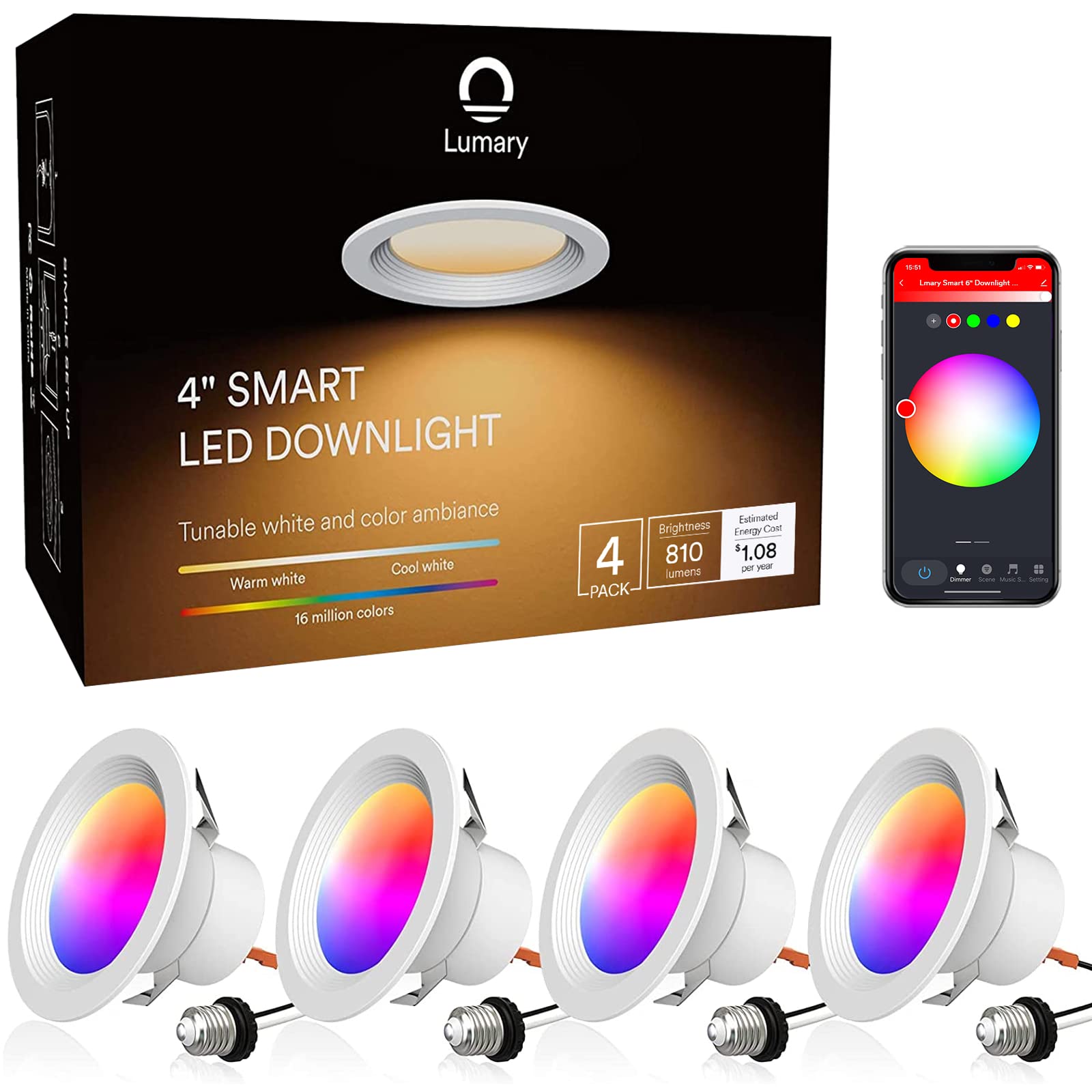
Philips Hue Starter Kit — $69–$99 | Best Premium Smart Lighting
Philips Hue is the standard against which all other smart lighting is measured. The Zigbee-based system requires a hub (included in starter kits), which creates a local network independent of cloud connectivity — your lights work even when the internet is down. Color accuracy, brightness (up to 1600 lumens in newer bulbs), and the scene ecosystem are the best available.
Best for: Homeowners who want the best smart lighting system built to last, anyone who needs lights to work reliably without internet
What to know: The hub requirement adds cost and setup complexity compared to WiFi bulbs. The bulbs are expensive ($15–$50 each) compared to budget alternatives. But the reliability and ecosystem depth justify it for serious smart home users.
Price timing: Starter kits discount 20–30% during Black Friday. Individual bulbs rarely go below $12–$15.
Kasa Smart Bulbs (TP-Link) — $8–$12 per bulb | Best Budget Smart Lighting
For WiFi-based smart lighting without the Hue premium, Kasa bulbs by TP-Link offer reliable performance at a fraction of the price. No hub required, solid app, Alexa and Google compatibility. The trade-off: WiFi bulbs can slow down your network with many devices, and cloud dependency means lights technically need internet to be voice-controlled (local control is limited).
Best for: Budget-conscious buyers, renters, people who want simple smart lighting without investing in a full system
Price timing: Frequently 4-packs for $25–$30 during sales.
Smart Thermostats
Google Nest Thermostat (4th Gen) — $129 | Best Smart Thermostat Overall
The Nest Thermostat is the smart thermostat that proved the category. It learns your schedule over 1–2 weeks and automatically creates a heating/cooling schedule. Energy History shows when your HVAC ran and why. The Home/Away detection reduces heating and cooling when you're out. Over 10 years of use, Nest's own data shows average savings of 10–15% on heating and cooling bills — potentially paying for itself.
Best for: Most homes with compatible HVAC systems, Google ecosystem users
What to know: Requires a C-wire for most installations (or a Nest Power Connector add-on). Professional installation is recommended if you're not comfortable with HVAC wiring. Nest requires the Google Home app which some users find cluttered.
Price timing: Regularly drops to $99–$109 during sales. The Learning Thermostat (higher end, $249) adds a more sophisticated learning algorithm and premium display.
Amazon Smart Thermostat — $59 | Best Budget Smart Thermostat
The Amazon Smart Thermostat is the simplest, most affordable smart thermostat available. It doesn't learn your schedule automatically (you program it), but it integrates tightly with Alexa for voice control and remote access, and the $59 price is 50% less than the Nest. For Alexa-heavy households that want smart thermostat convenience without Nest's learning features, this is the pick.
Price timing: Has dropped to $39 during Prime Day.
Smart Security
Ring Video Doorbell (4th Gen) — $99–$149 | Best Video Doorbell
Ring invented the video doorbell category and the 4th Gen is the most reliable, best-supported option available. 1080p HD video, two-way audio, motion detection with customizable zones, and Ring's app are all well-developed. The Ring Protect subscription ($3.99/month or $39.99/year) adds video history storage — without it, you get real-time alerts but no saved footage.
Best for: Most homeowners wanting a video doorbell, Amazon/Alexa households
What to know: The subscription is effectively required for the product to be useful — factor $40/year into the cost. Ring was acquired by Amazon, raising privacy considerations some users find relevant.
Price timing: Ring discounts aggressively during Prime Day and Black Friday — has hit $59–$69.
Eufy Security 2K Doorbell — $99–$129 | Best No-Subscription Doorbell
Eufy's video doorbell stores footage locally on the included HomeBase (or on the doorbell's built-in storage on some models), eliminating the subscription requirement. The 2K resolution is higher than Ring's 1080p. For households that want video doorbell functionality without ongoing subscription costs, Eufy is the better long-term value.
Best for: Anyone who objects to cloud subscription models, privacy-conscious buyers
What to know: Local storage means footage is only accessible on your home network — no remote video review unless you set up remote access. The Eufy app is good but less polished than Ring.
Price timing: Frequently drops to $79–$89 during Amazon sales.
Arlo Pro 5S — $199–$249 | Best Wireless Security Camera
For outdoor security cameras, Arlo Pro 5S leads with 2K HDR video, color night vision, 6-month battery life, and excellent motion detection. The wire-free installation goes anywhere. The Arlo Secure subscription ($12.99/month or $99.99/year) adds 30-day cloud storage and advanced detection features.
Best for: Homeowners wanting flexible outdoor security coverage without running wires
Price timing: Regularly drops to $149–$179 during sales. Multi-camera bundles offer better per-camera value.
Smart Locks
Schlage Encode Plus — $249 | Best Smart Lock for Apple Users
The Schlage Encode Plus is the best smart lock for Apple HomeKit users — it supports Apple Home Key (lock/unlock with iPhone or Apple Watch tap) and is also the most secure smart lock at this price, with a Schlage Grade 1 rating (highest residential security rating). WiFi built-in means no extra hub needed.
Best for: Apple HomeKit users, security-conscious buyers
Price timing: Rarely discounts significantly — occasional 10–15% off during Black Friday.
August Wi-Fi Smart Lock (4th Gen) — $149 | Best Retrofit Smart Lock
The August Smart Lock retrofits over your existing deadbolt, leaving the exterior unchanged (useful for renters or for homes where exterior appearance matters). Auto-lock and auto-unlock (via geofencing) work reliably. The $149 price is the best in the category for a WiFi-connected lock with auto-unlock.
Best for: Renters, anyone who doesn't want to replace their exterior deadbolt, budget-conscious smart lock buyers
What to know: Requires a compatible deadbolt (most standard deadbolts are compatible). The exterior keypad is sold separately if desired.
Price timing: Regularly drops to $119–$129 during sales.
Smart Plugs
Kasa Smart Plug (EP25) — $12–$15 per plug | Best Smart Plug
Smart plugs are the lowest barrier smart home entry point — plug in, connect to WiFi, control with app or voice. Kasa's EP25 works with Alexa, Google, and Apple HomeKit (rare for a plug this cheap), monitors energy usage, and has a compact design that doesn't block the second outlet. At $12–$15, it's the easiest way to make any lamp, fan, or appliance smart.
Price timing: 4-packs frequently under $30 during sales.
Smart Home FAQ
Do I need a smart home hub?
With Matter becoming the universal standard, most new devices connect directly to your WiFi router and don't require a separate hub. The main exception is Zigbee-based devices (Philips Hue) which still benefit from a hub for reliability. For most smart home setups in 2026, a hub is optional.
Is a smart home worth the cost?
The most useful categories — smart thermostats, video doorbells, smart locks, and smart lighting — provide genuine convenience or security value. The cost of entry has dropped significantly; a basic useful smart home (thermostat + doorbell + a few smart plugs) is achievable for $200–$300 total.
Are smart home devices secure?
Security varies by brand. Best practices: use strong unique passwords for all accounts, keep firmware updated, put IoT devices on a guest network separate from computers and phones, and prefer local-storage options (Eufy, Philips Hue) for sensitive data. The largest brands (Amazon, Google, Apple) have dedicated security teams.
What should I buy first?
The highest-value first smart home device for most households is the smart thermostat — it pays for itself in energy savings, requires minimal ongoing attention, and provides immediate value. Second: smart plugs for lamps and small appliances — cheap entry point with immediate convenience. Third: video doorbell — security value is tangible.
Do smart home devices work without internet?
Some do (Philips Hue with hub, some August locks) for local control. Most WiFi-based devices lose functionality if your internet is down — the app works only if it can reach the cloud. For critical functions (locks, alarms), prefer devices with local fallback capability.
Final Recommendations by Use Case
Best starter kit for Alexa households: Echo (5th Gen) + Kasa smart plugs + Ring Video Doorbell + Amazon Smart Thermostat — covers the key categories for around $250–$300.
Best starter kit for Google households: Nest Hub 2nd Gen + Kasa smart plugs + Eufy Doorbell + Nest Thermostat — comparable coverage.
Best starter kit for Apple households: HomePod Mini + Philips Hue starter kit + Schlage Encode Plus + Eve smart plugs (HomeKit native) — the most private and locally-controlled option.
Single best purchase if buying nothing else: Google Nest Thermostat or Amazon Smart Thermostat — the energy savings and convenience are the best return on investment in smart home.
WhatNotSell tracks live prices on all smart home devices listed above. Prime Day and Black Friday are the best times to build out a smart home — prices drop significantly across all categories simultaneously.